
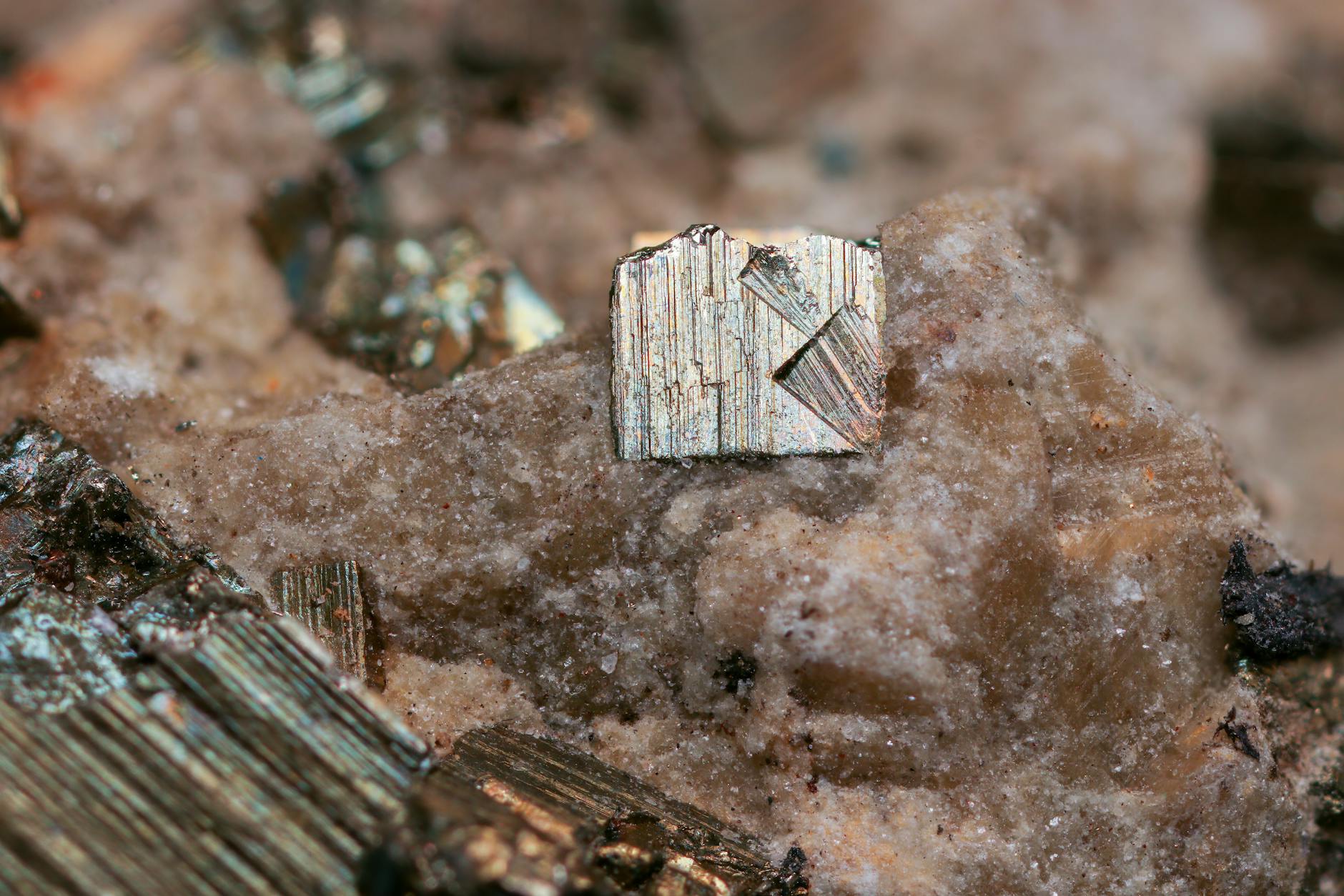
How atoms build the world around us: atomic structures
Everything you see, touch, or admire is made of matter, and matter is built from atoms.
Tiny, invisible, and endlessly fascinating, these building blocks are like Lego pieces that create everything from gemstones to galaxies.
Atoms do not float around randomly, they arrange themselves in specific patterns, called atomic structures. These structures determine the properties of the material: how hard it is, how it conducts heat, or how it reflects light.
One of the most common arrangements in metals is the body-centered cubic (BCC) structure. Imagine a cube: there’s an atom at each corner, and one right in the center. Simple, elegant, and highly efficient.

This structure is why some metals feel dense and strong, and why crystals can be so surprisingly regular when we look up close. Each BCC lattice is a tiny architecture of perfection, hidden from our eyes but shaping the world we see.
Why BCC matters:
- It affects strength and hardness: BCC metals like iron are strong and durable
- It influences melting points and conductivity: the arrangement of atoms controls how energy moves through the material
Visualization corner – Imagine building a cube with eight balls in the corners and one in the center. That is a BCC lattice. Think of the atoms vibrating and interacting inside: you have just visualized the microscopic architecture that gives matter its character!


Leave a Reply